KanBo – The Pharma-Focused Work Coordination Maestro
Experience ultimate task alignment, communication and collaboration
Trusted globally, KanBo, bridges the gap between management and engineering in complex pharmaceutical organizations. Seamless coordination, advanced project planning, and outstanding leadership are made possible through our versatile software. Stride toward your mission-critical goals with superior collaboration and communication.
Enhancing Work Coordination in the Pharmaceutical Industry with KanBo: A Comprehensive Overview
Introduction:
In today’s complex and highly regulated pharmaceutical industry, effective work coordination is crucial for organizations to stay ahead of the competition and deliver breakthrough medicines and vaccines. KanBo, a leading work coordination software, aims to revolutionize work processes in this industry, offering a range of features that enhance task alignment, communication, and collaboration. By seamlessly coordinating across functions, facilitating efficient project planning, and providing real-time project visibility, KanBo is paving the way for improved operational efficiencies, enhanced cross-functional collaborations, and upgraded leadership efficiency within the pharma sector.
Work Coordination and the Pharmaceutical Industry:
In the highly regulated pharmaceutical industry, where each project carries significant weight, effective work coordination is vital to drive innovation, ensure compliance, and meet project objectives. KanBo’s comprehensive suite of features addresses this need by optimizing work processes and enabling seamless coordination across various functions. Let’s explore some of the key benefits of KanBo for the pharmaceutical industry.
1. Task Alignment:
KanBo empowers pharmaceutical teams to align their tasks effectively, ensuring that every member is aware of their responsibilities and objectives. By visualizing tasks through swimlanes and providing real-time updates on progress and dependencies, KanBo enables teams to stay on track and meet project milestones efficiently. This heightened task alignment minimizes errors, mitigates risks, and streamlines operations, ultimately leading to improved project outcomes.
2. Communication and Collaboration:
Clear and open communication is essential in the pharmaceutical industry, where teams often span geographical locations and expertise. KanBo’s robust communication tools facilitate seamless collaboration, enabling team members to share information, exchange documents, ask questions, and provide feedback in real-time. Through integration with various platforms and the ability to centralize communication, KanBo reduces communication silos and fosters a collaborative work environment that drives innovation.
3. Real-Time Project Visibility:
Effective leadership within the pharmaceutical industry requires real-time visibility into ongoing projects. KanBo provides leaders with a comprehensive overview of the project lifecycle through data visualization and analytics tools. This real-time project visibility ensures timely decision-making, proactive issue resolution, and effective resource allocation, optimizing leadership efficiency and promoting successful project outcomes.
4. Pharmaceutical Engineering Support:
Pharmaceutical engineering tasks require precision and adherence to regulatory standards. KanBo aids in these tasks by providing a centralized platform for managing engineering documentation, tracking progress, and ensuring compliance with regulatory requirements. By streamlining pharmaceutical engineering processes, KanBo minimizes errors, reduces bottlenecks, and enhances overall operational efficiency.
Conclusion:
KanBo’s work coordination software offers a comprehensive suite of features that align with the unique needs of the pharmaceutical industry. By focusing on task alignment, communication, and collaboration, KanBo streamlines operations, improves cross-functional collaborations, and upgrades leadership efficiency within the pharma sector. Its ability to ensure effective resource allocation, timeline creation, and task assignment, coupled with real-time project visibility and support for pharmaceutical engineering tasks, makes it an invaluable tool for organizations looking to gain a competitive edge in the dynamic pharmaceutical landscape.
Disclaimer: This article is not specifically endorsed or sponsored by Sanofi. The information presented focuses on the benefits and features of KanBo as a work coordination platform in the pharmaceutical industry.
Clear and open communication is essential for effective work coordination in the pharmaceutical industry. It ensures that everyone understands their roles, responsibilities, and targets, leading to streamlined workflows and avoiding misunderstandings. KanBo, with its Spaces feature, enables clear communication by providing a centralized platform for collaboration and information sharing.
Using Spaces in KanBo, teams can create dedicated workspaces for specific projects or departments. These Spaces act as virtual rooms where team members can collaborate, share documents, and communicate in real-time. Each Space has its own set of permissions, allowing users to control who has access to the Space and what actions they can perform.
Within a Space, users can create and assign tasks, set deadlines, and track progress. They can also use document templates to ensure consistency in documentation and easily share important information. KanBo integrates with various document sources, such as SharePoint and Google Suite, making it seamless to access and collaborate on documents.
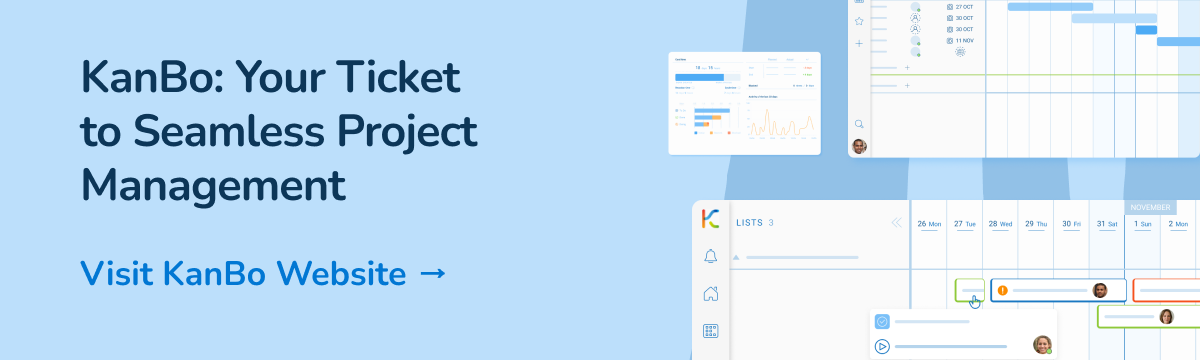
The platform also offers different views, such as the Gantt Chart view and Mind Map view, which help visualize project timelines and task dependencies. This visual representation enhances clarity and understanding among team members.
Additionally, KanBo includes features like comments and activity streams, which enable real-time discussions and provide a transparent overview of all the actions and updates within a Space. This promotes open communication and ensures that everyone is on the same page.
Furthermore, KanBo’s search functionality allows users to quickly find relevant information within Spaces, saving time and enabling efficient communication.
By leveraging KanBo, the pharmaceutical industry can enhance clear communication, enabling effective work coordination and improving overall productivity.
Q&A
1. How does KanBo enhance task alignment in the pharmaceutical industry?
– KanBo empowers pharmaceutical teams to align their tasks effectively by visualizing tasks through swimlanes and providing real-time updates on progress and dependencies. This enables teams to stay on track, minimize errors, mitigate risks, and streamline operations, ultimately leading to improved project outcomes.
2. How does KanBo facilitate communication and collaboration in the pharmaceutical industry?
– KanBo’s robust communication tools foster seamless collaboration by enabling team members to share information, exchange documents, ask questions, and provide feedback in real-time. Integration with various platforms and the ability to centralize communication reduces communication silos and promotes a collaborative work environment that drives innovation.
3. How does KanBo provide real-time project visibility for leaders in the pharmaceutical industry?
– KanBo offers leaders a comprehensive overview of project lifecycles through data visualization and analytics tools. This real-time project visibility ensures timely decision-making, proactive issue resolution, and effective resource allocation, optimizing leadership efficiency and promoting successful project outcomes.
Did you know that KanBo is more than just a tool for Clear Communication in the Pharmaceutical industry? While effective communication is undoubtedly one of KanBo’s key strengths, this powerful work coordination software offers much more to enhance operations and drive productivity.
With KanBo, pharmaceutical companies can streamline their project planning and execution processes. The software allows for seamless coordination across different functions and teams, ensuring that everyone is aligned towards the same goals. By providing a comprehensive overview of the project lifecycle, KanBo enables efficient resource allocation, timeline creation, and task assignment.
In addition to project management, KanBo also facilitates collaboration among cross-functional teams. It breaks down silos and fosters a culture of knowledge sharing and collective problem-solving. Team members can easily collaborate on tasks, share information, and provide real-time updates. This not only improves efficiency but also helps in avoiding duplication of effort and increasing overall productivity.
Furthermore, KanBo empowers leadership within the pharmaceutical industry. Managers and team leaders can gain real-time visibility into project progress and performance, allowing them to make informed decisions and take timely actions. The software provides valuable insights and analytics that enable leaders to identify potential bottlenecks, allocate resources effectively, and drive continuous improvement.
In the field of pharmaceutical engineering, KanBo aids in managing complex tasks and processes. Its card documents feature allows users to store and organize critical information, such as design specifications, regulatory requirements, and test results. By centralizing all relevant documents and data, KanBo ensures easy access, better traceability, and compliance with industry standards.
In conclusion, KanBo is much more than just a tool for clear communication in the pharmaceutical industry. It is a comprehensive work coordination software that enhances project planning, fosters collaboration, empowers leadership, and aids in pharmaceutical engineering tasks. By leveraging the capabilities of KanBo, organizations can streamline operations, improve cross-functional collaborations, and achieve greater efficiency and success in this highly regulated industry.