KanBo – The Pharma-Focused Work Coordination Maestro
Experience ultimate task alignment, communication and collaboration
Trusted globally, KanBo, bridges the gap between management and engineering in complex pharmaceutical organizations. Seamless coordination, advanced project planning, and outstanding leadership are made possible through our versatile software. Stride toward your mission-critical goals with superior collaboration and communication.
Enhancing Work Coordination in the Pharmaceutical Industry: The KanBo Approach
Introduction:
In the fast-paced and highly regulated pharmaceutical industry, effective work coordination is crucial to ensure seamless operations, collaboration, and compliance. As the industry strives to innovate and meet the evolving needs of patients, organizations require robust software solutions that streamline project planning, enhance communication, and provide real-time visibility. KanBo, a leading work coordination platform, aims to address these challenges by offering a comprehensive suite of features tailored to the unique needs of the pharmaceutical industry.
KanBo: Empowering Pharmaceutical Workforces:
KanBo is a cutting-edge work coordination software designed to streamline operations and improve cross-functional collaborations within the pharmaceutical industry. With a strong focus on task alignment, communication, and collaboration, KanBo enables teams to efficiently plan projects, allocate resources effectively, and enhance leadership by providing real-time project visibility.
Seamless Coordination Across Functions:
KanBo’s platform allows for seamless coordination across functions, enabling pharmaceutical organizations to break down silos and foster cross-department collaboration. By providing a centralized platform where tasks, projects, and information can be accessed by all relevant parties, KanBo ensures that everyone is aligned towards the same goals.
Efficient Project Planning:
Effective project planning is critical in the pharmaceutical industry, where timelines, resource allocation, and task assignment must be carefully managed. KanBo’s robust project planning features enable organizations to create timelines, allocate resources, and assign tasks with ease. This ensures that projects are executed efficiently and that teams are equipped with the necessary information to make informed decisions.
Enhanced Leadership:
KanBo empowers leadership within pharmaceutical organizations by providing real-time project visibility. With access to comprehensive project overviews, managers can make data-driven decisions, identify bottlenecks, and proactively address any issues that may arise. This real-time visibility strengthens leadership efficiency and fosters a culture of accountability and continuous improvement.
Aiding Pharmaceutical Engineering Tasks:
Pharmaceutical engineering tasks require meticulous attention to detail and compliance with regulatory standards. KanBo’s software aids engineering tasks by providing dedicated functionalities for document management, data visualization, and analytics. These features enable pharmaceutical engineers to organize, track, and optimize their work with greater efficiency and accuracy.
Clear Communication in the Pharmaceutical Industry:
In the pharmaceutical industry, clear and effective communication is essential to ensure compliance and drive successful outcomes. KanBo recognizes the importance of clear communication and offers a suite of features to support it. From real-time messaging and collaboration tools to integration with popular platforms such as SharePoint and Microsoft Office 365, KanBo enables teams to communicate seamlessly and efficiently.
Conclusion:
In today’s dynamic pharmaceutical industry, successful work coordination is vital for organizations to thrive. KanBo’s work coordination platform offers a comprehensive suite of features that streamline operations, improve cross-functional collaborations, and enhance leadership efficiency in the pharmaceutical industry. By providing real-time project visibility, facilitating clear communication, and aiding in pharmaceutical engineering tasks, KanBo empowers organizations to achieve their goals while maintaining compliance with regulatory requirements. With KanBo, pharmaceutical organizations can elevate their work coordination to new heights and drive success in an evolving industry.
Clear and open communication is vital for effective work coordination in the pharmaceutical industry. It ensures that everyone understands their roles, responsibilities, and targets. Transparent communication helps align efforts, streamline workflows, and avoid misunderstandings.
KanBo provides a solution for clear communication by offering Spaces. Spaces in KanBo are virtual workspaces where teams can collaborate, organize, and communicate effectively. Each Space is dedicated to a specific project, department, or topic, allowing team members to focus on their specific tasks and goals.
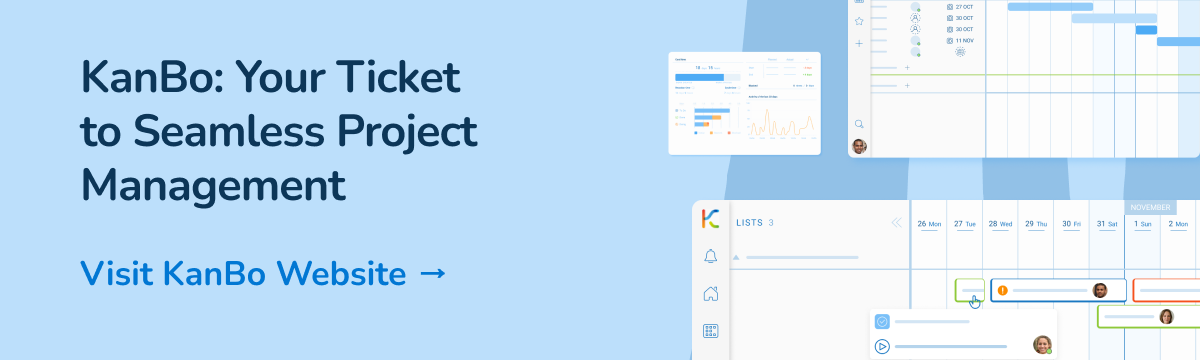
With Spaces in KanBo, teams can share documents, discuss ideas, assign tasks, and track progress. The Activity Stream keeps everyone updated on the latest developments and allows for real-time collaboration. The Gantt Chart View provides a visual representation of project timelines and helps teams stay on track.
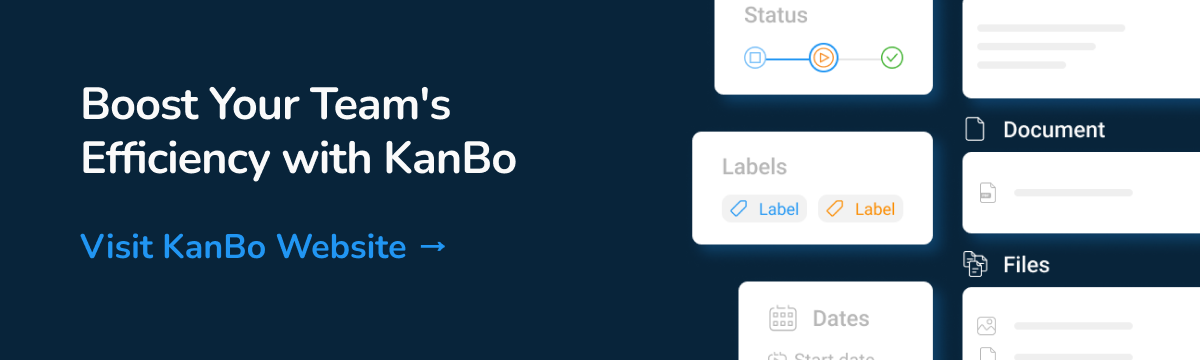
In addition to Spaces, KanBo also offers features such as Document Templates, Card Templates, and Card Elements that further enhance communication and coordination. Document Templates ensure consistency in documentation and facilitate easy sharing and collaboration. Card Templates provide a structured framework for task management and enable teams to define clear action steps. Card Elements allow teams to add relevant information, attachments, and comments to keep everyone informed and aligned.
By using KanBo’s communication features, teams in the pharmaceutical industry can establish a culture of clear and open communication. This promotes efficient work coordination, improves productivity, and helps achieve project goals effectively.
Q&A
1. How does KanBo streamline work coordination in the pharmaceutical industry?
KanBo streamlines work coordination in the pharmaceutical industry by providing a centralized platform where tasks, projects, and information can be accessed by all relevant parties. This allows for seamless coordination across functions and fosters cross-department collaboration, breaking down silos. KanBo’s robust project planning features enable efficient project planning, including timeline creation, resource allocation, and task assignment. Additionally, KanBo provides real-time project visibility, empowering leadership to make data-driven decisions and proactively address any issues that may arise.
2. How does KanBo assist in pharmaceutical engineering tasks?
KanBo aids pharmaceutical engineering tasks by offering dedicated functionalities for document management, data visualization, and analytics. These features enable pharmaceutical engineers to organize, track, and optimize their work with greater efficiency and accuracy. With KanBo, engineers can easily manage and access relevant documents, collaborate on projects, and analyze data in real-time, ensuring compliance with regulatory standards and enhancing the overall efficiency of their tasks.
3. How does KanBo support clear communication in the pharmaceutical industry?
KanBo supports clear communication in the pharmaceutical industry through its suite of features. The Spaces feature creates virtual workspaces dedicated to specific projects, departments, or topics, allowing teams to collaborate, organize, and communicate effectively. Teams can share documents, discuss ideas, assign tasks, and track progress within these Spaces. The Activity Stream keeps everyone updated in real-time, promoting ongoing collaboration. In addition, features such as Document Templates, Card Templates, and Card Elements ensure consistency, provide a structured framework for task management, and enable teams to add relevant information, attachments, and comments to enhance communication and coordination.
Did you know that KanBo is more than just a tool for clear communication in the pharmaceutical industry? While KanBo does excel at enhancing communication and coordination within pharmaceutical organizations, its capabilities go far beyond that.
KanBo is designed to streamline operations, improve cross-functional collaborations, and upgrade leadership efficiency within the pharma industry. By providing a comprehensive overview of the project lifecycle, KanBo ensures effective resource allocation, timeline creation, and task assignment. It allows teams to align tasks, facilitate efficient project planning, boost communication, and enhance leadership by providing real-time project visibility.
With KanBo, pharmaceutical engineering tasks become more organized and manageable. The software enables teams to centralize all project-related information, collaboratively work on documents, and track progress seamlessly. This not only increases efficiency but also ensures regulatory compliance and reduces the risk of errors.
Moreover, KanBo offers advanced features like data visualization, data science, and analytics. These features enable users to analyze project data, identify trends, and make informed decisions. By harnessing the power of data, teams can optimize their processes, drive continuous improvement, and achieve better results.
KanBo also integrates with various platforms such as SharePoint, Microsoft Office 365, Google Suite, AWS, or Salesforce. This seamless integration eliminates silos and enables users to access and manage their work from a single platform. Additionally, KanBo supports different work styles and hybrid methodologies, accommodating the diverse needs of international organizations.
In summary, KanBo is not just a tool for clear communication in the pharmaceutical industry. It is a comprehensive work coordination software that enhances collaboration, streamlines operations, and empowers teams to achieve their goals efficiently. By leveraging its features and integrations, organizations can maximize their ROI and create an invincible workforce driven by transparency, trust, and a shared sense of purpose.